
CHILD ADHD ASSESSMENTS
ADHD doesn’t always look the way it’s shown in the media. While some children may be very active or have trouble sitting still, ADHD is really about how the brain manages everyday tasks.
It involves a delay in executive functioning skills—often thought of as the brain’s “management system.” These skills help with things like staying organized, managing time, getting started on tasks, focusing, controlling impulses, remembering information, and regulating emotions.
ADHD shows up in three main ways:
Inattention: getting distracted, having poor concentration and organizational skills
Hyperactivity: never seeming to slow down, talking and fidgeting, difficulties staying on task
Impulsivity: interrupting, taking risks
*What used to be called ADD is now known as the inattentive type of ADHD.

What is ADHD?
ADHD can look different depending on a child’s age and gender. For example, a child with inattentive ADHD may seem forgetful or easily distracted, while a child with hyperactive ADHD may have trouble sitting still or controlling impulses.
Some helpful questions to consider are:
• Does my child struggle with impulse control compared to other kids their age?
• Do they have difficulty managing their emotions in everyday situations?
• Can they handle changes in routine, or do they find this very challenging?
• Is there a family history of ADHD?
If you’re wondering whether your child might have ADHD, a good next step is an assessment with a Registered Psychologist. This type of assessment looks at your child’s executive functioning skills compared to others their age, helping to identify both strengths and areas where support may be needed.
You’ll receive a detailed report that includes background information, current functioning, and a clear summary of your child’s executive functioning skills. This report is yours to keep and can be shared with your child’s school, doctor, or other professionals involved in their care.
ADHD Assessment Steps:
-

Step 1: Clinical Intake with Parents
The process begins with an intake session where we gather a clear picture of your child’s development, learning, and current concerns. We also take time to understand your goals, so the assessment is focused, meaningful, and tailored to your child'.
-
Step 2: Child Observation
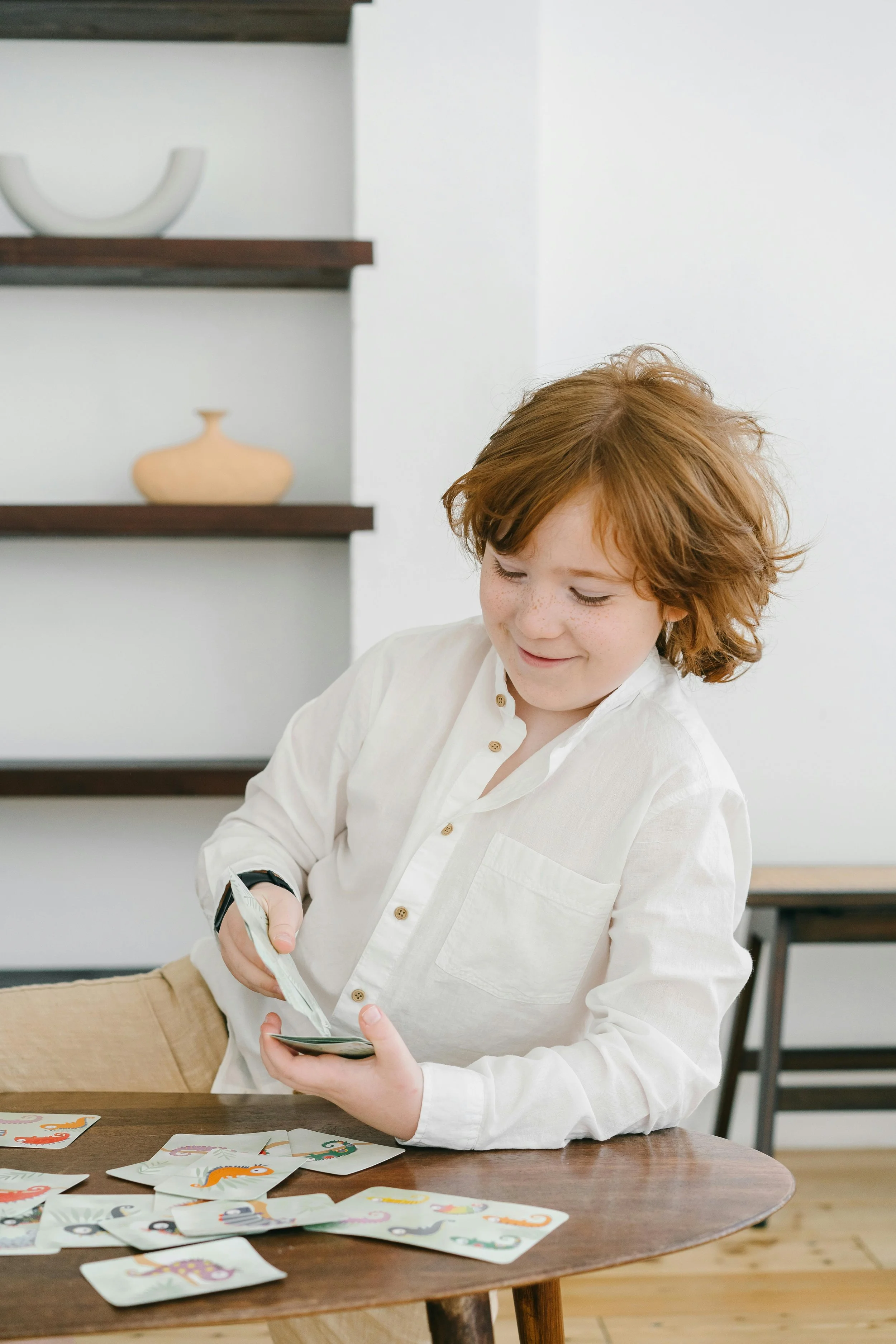
The first step is building a connection with your child. Through activities like playing games, drawing, or other child-friendly tasks, the psychologist creates a comfortable space while gently asking questions and listening to your child’s experience and conduct an observation.
-

Step 3: Rating Scales
We will send rating scales to both your family and your child’s school, and we may also complete a questionnaire with your child. These tools help us better understand specific concerns and measure your child’s behaviours compared to others their age, so we can see how significant any challenges may be.
-

Step 4: Extra Testing Session (if applicable)
In some cases, an additional testing session may be recommended to gather more in-depth information or explore specific areas in greater detail. This allows us to ensure the assessment is thorough, accurate, and tailored to your child’s unique needs.
-

Step 5: Feedback Session
Our goal is to ensure you understand your child’s results and any diagnostic conclusions. We take time to go over everything in language you can understand and we leave time for questions and follow up on any areas that you would like to discuss further. It’s so important to us that we help you build a support network for your child. Every report comes with recommendations for your child’s school to help them be successful.
-

Report Information
You will receive a comprehensive written report that clearly outlines your child’s strengths, areas of difficulty, and diagnostic conclusions (if applicable). The report includes practical, individualized recommendations for home and school, and is designed to be easily understood and immediately useful for supporting your child.